Lawsuits
Oil Spill Lawsuits Spreading Fast
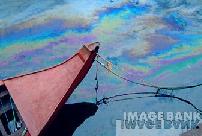 John T. Harris' fishing boat sat at the dock Wednesday in Panama City.
The Gulf of Mexico waters where he has plied his trade for most of his 68 years, fishing for snapper and grouper, is off limits because of the unabated oil leak caused by the explosion and sinking of the Deepwater Horizon oil rig off the Louisiana coast.
"We are scared to death of everything. It's kind of hard for a fisherman to do much of anything anymore," Harris said.
He is the lead plaintiff in a proposed class action lawsuit filed last week in Pensacola. Fla., federal court against oil giant BP and others associated with the disaster. He is asking for no less than $5 million in damages.
The oil spill has been compared to a manmade hurricane hitting the region, but what is about to hit the courts is a paper storm as class actions by fishermen and others are filed. About 50 lawsuits already have been filed claiming the spill has caused -- or will cause -- economic losses.
"You are going to have a tremendous amount of claims. You have the fishing industry, the tourist industry, the boating industry, the rental industry. It's going to be massive," said Ervin Gonzalez, a Colson Hicks Eidson attorney in Coral Gables, Fla., who specializes in class action suits.
Fishermen were told by the oil industry that such an accident could never occur. Now 200,000 gallons are spewing into gulf waters daily, threatening a good portion of the nation's seafood supply. Tourism interests are expected to be next in line.
Individual claims for business losses and health consequences are expected in some form, and lawsuits filed by federal and state governments could follow. People complained about smelling petroleum fumes Tuesday on Perdido Key at the Florida-Alabama line.
"It's not just dangerous to shrimp. It's dangerous to anyone inhaling the fumes from that stuff," said Robert McKee, a partner at Krupnick Campbell Malone Buser Slama Hancock Liberman & McKee, whose Fort Lauderdale firm is seeking an injunction on behalf of Louisiana fishermen.
Oysters, stone crabs, tropical fish farms and especially shrimp could be affected by the spill depending on where it spreads and where the currents take it. The beaches and recreational fishing along Florida's east coast could get hammered, along with Florida's $60 billion tourism industry.
"I just bought a thousand pounds of shrimp today because I know the price is going to increase," said Jay Bird, manager of the Mucky Duck restaurant on Captiva Island off Fort Myers, Fla. He said 80 percent of his business is tourism, which in turn is based on wildlife and the area's beaches. "It's just going to snowball."
Shrimpers and other fishermen were immediately affected when 6,800 square miles of federal waters were closed Sunday because of the spill.
PLENTY OF CALLS
McKee said calls from attorneys around the gulf have been received by the firm, which specializes in environmental law. "All these entities have damages even without the oil washing up on shore yet," he said. "Many of them venture out into these federal waters. So between that and the stigma of people fearing consumption of those seafoods, those folks are already injured."
And it's not just commercial fishermen with potential claims. Recreational fishing contributes $41 billion and supports more than 300,000 jobs in gulf states, according to the American Sportfishing Association.
McKee said his firm and others have filed suits on behalf of the United Commercial Fisherman's Association and a Louisiana environmental group in New Orleans federal court. He said his firm also has been contacted to represent others in Mississippi, Alabama and Florida.
"We are not only filing class actions, but we are filing individual claims depending on various plaintiffs," McKee said. "Many people say exposure cases cannot be classes because of different scenarios. We have to wrangle our way through that legal landscape."
Besides BP, the main targets are in Houston: rig owner Transocean, Halliburton, which had just finished cementing the 18,000-foot oil well before the explosion April 20, and Cameron International, which sold the well head equipment.
BP CEO Tony Hayward has said the company accepts responsibility and will foot the bill for cleanup and any "legitimate claims."
Not surprisingly, the plaintiffs bar is a bit skeptical of BP's willingness to settle with claimants for a fair amount.
McKee said besides BP, contractors and subcontractors could face liability in the disaster. The question is what kind of liability.
The federal Oil Pollution Act enacted after the Exxon Valdez spill in 1989 imposed strict liability on oil companies at fault for spills from offshore platforms. Plaintiffs don't need to show a company is careless or negligent to recover damages. Also, a company's cleanup costs are unlimited. But the law imposes a liability cap of $75 million for damage to property and business losses, not including cleanup costs.
McKee said Congress could raise the cap or there could be a finding that what happened aboard the Deepwater Horizon was grossly negligent -- an accident waiting to happen.
"It's potentially one of the largest manmade disasters which ever occurred," he said. "We plan to show there was some sort of gross negligence that caused this, not just simple negligence."
COMMITMENT REQUESTED
BP also may face lawsuits from states for environmental damage and other costs. Florida Gov. Charlie Crist said Tuesday he will wait to see if BP lives up to its financial pledge before considering litigation. Attorney General Bill McCollum wrote the major players Wednesday asking them "to memorialize their commitment to fund the protection and cleanup of our coastline and provide compensation for any economic losses suffered on an individual, corporate, and governmental level." For now, BP is saying it doesn't comment on pending litigation. But how would the company be expected to respond?
Former interim U.S. Attorney Guy Lewis does both plaintiff and defense work as a partner at Miami's Lewis Tein. He said drilling oil is a nasty and dangerous business and to some degree the price of an oil-based economy.
"If I was BP's attorney, I would argue BP has done everything it could within reason to both prevent this kind of spill, and once the spill occurred it reacted accordingly," Lewis said. "In other words, they have done everything humanly possible to minimize the impact."
Back in Pensacola, attorney Mike Papantonio has a bigger concern: BP trying to make quick settlements with potential claimants. Already, the company has had to apologize for making an offer to fishermen to sign over their claims for a $5,000 payment.
Papantonio called it shameful that BP is offering quick money to fisherman and others who can't pay their boat loans and home mortgages next month, knowing the company faces a much bigger liability.
"People are just now understanding how catastrophic this situation is," said Papantonio, a partner at Levin Papantonio Thomas Mitchell Echsner Rafferty & Proctor. "All day long, we have had third-generation shrimpers come in, second-generation oystermen come in, saying, 'I can't do this anymore.' It's like telling a buffalo hunter there are no more buffalo."
Papantonio, McKee and others are criticizing BP for hiring fishermen to set out oil-containment booms.
"It's about keeping them directed, that there is something in it for them and keep their vision away from the fact that three years from now they are still going to have this problem," Papantonio said.
McKee said BP has failed to outfit these fishermen with proper equipment and asked them to sign releases with indemnification in exchange for helping them out on the cleanup. U.S. District Judge Ginger Berrigan in New Orleans prevented BP from having workers sign the agreements.
Plaintiffs attorneys say the attempt to get fishermen to sign releases is the true face of BP. They point to the March 2005 explosion that killed 15 at a Texas BP refinery and a 2006 oil leak in Alaska's Prudhoe Bay after the company refused to inspect its oil pipeline as examples of a repeat offender and bad corporate citizen.
Gonzalez sees multidistrict litigation emerging in the federal lawsuits to be filed against the parties. Under that scenario, federal cases from all over are assembled before one judge to decide common pretrial issues and possibly test cases to determine damages.
He said he received his first call for representation Tuesday.
"I'm excited. It's a chance to help the environment," Gonzalez said. "I'm against offshore drilling. We need energy, but it's no good if we kill our home. Florida is so dependent on a good environment not only to enjoy but for our economy."
Jim Phillips, co-owner of MBT Divers in Pensacola, knows that all too well. Bookings were through the roof in April, but that all changed with the oil spill. The meandering slick has caused 80 percent of his customers through June to cancel.
"They've heard our beaches are soaked with oil and dead animals washing up," he said. "None of that is happening here, but that is the image everyone is betting on."
Phillips doesn't know what he'll do to recoup his losses, but he has reached out to lawyers to pursue litigation.
"It's certainly a possibility," he said. "Right now, we are kind of just hoping it all goes away."
(Published by The New York Times - May 5, 2010)