Independence
Macedonia, Montenegro recognize Kosovo independence from Serbia
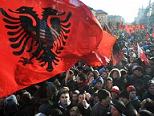 Montenegro and the Republic of Macedonia recognized Kosovo's independence, drawing condemnation from neighboring Serbia, which expelled the Montenegrin ambassador from Belgrade.
The moves by the ex-Yugoslav republics yesterday, along with Portugal's recognition earlier this week, takes to 50 the number of countries formally acknowledging Kosovo's unilateral declaration of independence from Serbia in February.
The U.S. State Department welcomed the decision to recognize Kosovo as a sovereign country, saying in a statement it would “help move the region toward greater integration with Euro-Atlantic institutions.'' Macedonia and Montenegro are seeking to join the European Union and the Bush administration supports their eventual membership of NATO.
Kosovo's declaration capped a struggle for statehood that began in 1999 when a NATO bombing campaign drove out Serbian troops. Backed by Russia, Serbia has rejected the secession and asked for an international court ruling on its legality.
The United Nations General Assembly this week voted 77 to 6 to ask the International Court of Justice in The Hague for a non-binding “advisory opinion” on whether Kosovo's independence violates international law.
Serbian Foreign Minister Vuk Jeremic said yesterday Montenegro's ambassador was “no longer welcome” in Belgrade. Countries in the region have a “special responsibility to preserve peace and stability in the Balkans,” state-run Tanjug news agency cited him as saying.
There was no immediate comment on the Serbian government's Web site on whether it intended to expel the Macedonian ambassador.
Kosovo is a mainly ethnic-Albanian state of 2 million people with an estimated 130,000 Serbs scattered along the northern and eastern borders with Serbia and in isolated pockets. The territory has near-mythic status in Serb culture, dating back to the defeat of Serb forces by Ottoman invaders in 1389.
(Published by Bloomberg - October 10, 2008)