Working conditions in the sugarcane plantations in Brazil
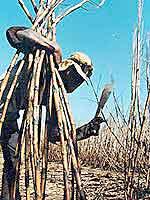 More than 115 years after the signing of the Gilded Law, slavery is still a reality in Brazil, especially on the sugarcane plantations. The sugar sector is in full expansion because the programmed liberalization of international trade supports the modes of production in this country. The big multinationals, often European, do not make any mistakes, and they have been investing massively in Brazil for the past few years. However, in their failure to respect workers’ rights in this sector, they are now about to put in place a modern form of slavery and to import sugar produced under appalling conditions.
The "big ones" in the sugar industry in 2003 adopted a code of conduct for social responsibility in their companies which they actually presented as exemplary. But this code, beyond its insufficiencies and the limits inherent in this kind of action, does not apply beyond the European borders. There is therefore a strong need to demand of the companies, and in particular of Tereos, the major foreign group in Brazil, that they extend their engagements to the whole line of companies.
The cutters often rise at 4:30 to take a bus which takes them over to their work place where they arrive 1 ½ hours later. Once at work, the rhythm is infernal, because the number of canes that they cut will determine their wages. In the evening, the same 1 ½ bus trip back again. Once back at their lodgings, the workers have to prepare the food that they will take along to the field the next day, which has given them the nickname of "Boias Frias" (cold chow).
The cutting season, which lasts 5 to 8 months in the year, causes the displacement of thousands of Brazilians, originating in particular from the areas in the North, the North-east and the South. In Piracicaba, these migrants account for 80% of the population. The large majority among them do not have any Social Security cover. Most of them are illiterates and the cutters are predominantly men, from 18 to 45 years of age. Many fall sick because of the differences in climate conditions, without counting the industrial accidents that make many victims. The rate of suicides in this social category is well above the average. For lack of means, they are often forced to remain at the work place once the season is over, but without work.
These infernal living conditions are denounced by Brazilian organizations like the FERAESP, Federation of the Paid Rural Employees of São Paulo, which works daily to improve the situation."
(Font: Axis of Logic, June 2, 2005)
____________