Brazil Congress opens scandal-expulsion hearings
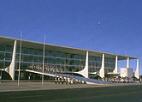 Brazil's Congress started expulsion hearings on Monday against 11 lawmakers accused of taking illegal funds in a corruption scandal that has threatened to derail the government of President Luiz Inacio Lula da Silva.
The government hopes the process will help defuse the scandal, which erupted in June and involved a network of slush funds that accusers said the ruling Workers' Party used to buy support in Congress and finance election campaigns.
Before the hearing opened, two lawmakers in a group of 13 accused decided to resign to avoid the hearings, a congressional official said.
By doing so, they retained the right to run in elections in 2006.
If the others are expelled as result of the hearings, they will be banned from political office for eight years.
Earlier on Monday, Brazil's Supreme Court rejected an appeal from five of the 13 lawmakers who had argued they were judged unfairly by congressional investigations.
The congressional hearings could last up to 90 days.
Illegal funds
Allegations that Workers' Party officials and Lula aides used illegal funds to buy votes for key bills in Congress took the president's approval rating to its lowest level in September and damaged his chances of reelection in 2006, if he decides to run.
It also paralyzed the legislative agenda and damaged the image of the government, which promised to crack down on corruption when it took office in 2003.
Lula has not been directly implicated in the vote-buying scheme and he vowed to root out and punish any guilty officials.
The Workers' Party leadership was purged in July.
The government recovered ground in recent weeks and it hopes the resignations and expulsion hearings will bring the affair to a close before the end of the year and help Lula regain popularity.
The lawmakers who resigned on Monday were Paulo Rocha, a former lower house leader of the Workers' Party, and Jose Borba, formerly head of the government-allied Democratic Movement Party in the house.
Among those subject to the hearings is Joao Paulo Cunha of the Workers' Party, a former president of the Lower House.
Most of the other deputies facing the hearings are from parties allied to the government.
(Published Reuters, October 19, 2005)
______________________