Social media firms are being threatened with new laws ifthey don't do more to protect children online.
In a letter to companies including Facebook and Google,Health Secretary Jeremy Hunt accuses them of "turning a blind eye" totheir impact on children.
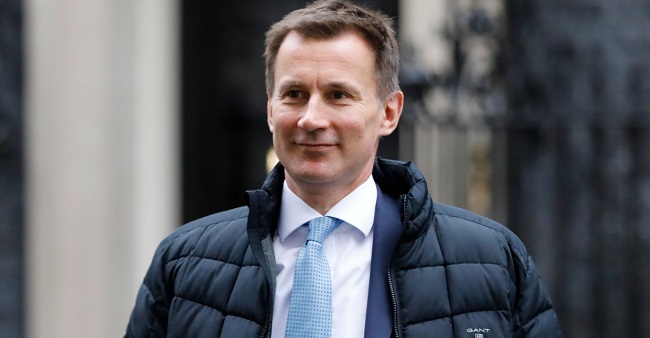
He gives them until the end of April to outline action oncutting underage use, preventing cyber bullying, and promoting healthy screentime.
Google and Facebook say they share Mr Hunt's commitment tosafety.
The age requirement to sign up to Facebook, Instagram,Twitter and Snapchat is 13. To use WhatsApp or to have a YouTube account, youmust also be at least 13.
In his letter to the internet firms, Mr Hunt said: "Iam concerned that your companies seem content with a situation where thousandsof users breach your own terms and conditions on the minimum user age.
"I fear that you are collectively turning a blind eyeto a whole generation of children being exposed to the harmful emotional sideeffects of social media prematurely.
"This is both morally wrong and deeply unfair toparents who are faced with the invidious choice of allowing children to useplatforms they are too young to access or excluding them from social interactionthat often the majority of their peers are engaging in."
'Phone jailer'
Conservative MP Liz Truss said she had resorted tophysically locking her 12-year-old daughter's phone away.
"I have a box which I lock up and put my daughter'smobile phone in and I'm known as the phone jailer in our household," shetold Pienaar's Politics on Radio 5 Live.
"It's not just the internet, it's screen time over all.It's part of being a good parent. I think social media companies can play apart and help parents in that job."
Mr Hunt met social media companies six months ago to discusshow to improve the mental health of young people who use the technology.
He told the Sunday Times, there had been "warmwords" and "a few welcome moves" since then, but the overallresponse had been "extremely limited" - leading him to conclude thata voluntary, joint approach would not be good enough.
"None are easy issues to solve I realise, but anindustry that boasts some of the brightest minds and biggest budgets shouldhave been able to rise to the challenge," said Mr Hunt.
What can parents do?
-
Understand the risks that your children may be exposed to -including cyberbullying, grooming, illegal or unsuitable content
-
Make use of parental controls that give you the ability tofilter the type of content your children can see when they are online. Withyounger children, have access to passwords to regularly check content
-
Show them how to use privacy settings and the report andblock functions on sites and apps
-
Talk regularly to them about what they do online, what poststhey have made that day, who they are friends with and how it is affectingtheir mood
-
Keep an eye on how much time children spend online. Considerbans on devices at mealtimes and take them away an hour before bedtime. Do notlet children charge devices in their rooms
Mr Hunt said the government would not rule out introducingnew legislation to tackle the issue when it publishes its response to theInternet Safety Strategy consultation in May.
(Published By BBC, April 22, 2018)