Brazil central bank sees prolonged monetary easing
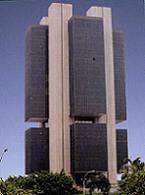 Brazil's central bank said on Thursday a recent pick-up in inflation will be temporary and its decision to trim the size of rate cuts will allow monetary easing to last longer.
In minutes of its rate-setting meeting held last week, policymakers said the effect of interest rate cuts on the economy will be mostly felt in the second half of 2007 and in 2008.
Brazil's central bank last week reduced the benchmark Selic rate to 13.0 percent from 13.25 percent, extending the longest period of monetary easing in Brazil's history.
Five officials in the bank's monetary policy committee, Copom, voted in favor of the 0.25 percentage-point cut, while three voted for a half point reduction.
"There was consensus among committee members that several factors would support (a smaller rate cut) and that this would contribute to extending the length of monetary easing to be implemented," the bank said.
Last year the bank cut the benchmark Selic rate by 0.75 percentage points in January, March and April and then by a half point in May, July, August, October and November. In the minutes of all its meetings since July, the central bank said it could cut rates with more "parsimony."
Economists expect the more conservative stance in the January meeting will allow the central bank to further extend the cycle of rate cuts.
"The central bank has recognized that interest rates, at the end of this process of easing, will be even lower," said Juan Jensen, an economist at Sao Paulo-based Tendencias Consultoria.
Brazil's economy has shown signs of "heated demand," with a rise in jobs and workers' salaries, which coupled with a recent pick-up in prices prompted policy makers to trim the size of the rate cut.
Consumer prices rose only 3.14 percent in 2006, the smallest increase in eight years and well below the central bank's target of 4.5 percent for both 2006 and 2007. But inflation and economic activity ticked higher in the final months of the year and in early 2007, leading some economists to expect smaller rate cuts.
Inflation data released last week showed consumer prices climbed 0.52 percent in the month through mid-January, accelerating from 0.35 percent in the month through mid-December.
The central bank has now cut the Selic rate by 6.75 percentage points from a lofty 19.75 percent in September 2005.
The bank next meets to decide on rates on March 6-7.
(Published by Reuters, February 1, 2007)